

Wild Venison Madras Recipe
A rich, fragrant and warming curry that has a depth a flavour without too much heat. There are lots of pre-made Madras pastes out there, or you could make your own.
Glen Dye Recipe Series
Caroline Gladstone, co-founder and 35 year resident at Glen Dye, can really cook. As co-founder and curator of food at Hawarden Estate and Glen Dye, Caroline’s passion for good food runs deep. So, when the opportunity arose to source, prepare and sell our very own wild Glen Dye venison Caroline didn’t hesitate.
In this series we share her favourite recipes that are tried, tested and universally adored.
Caroline’s Glen Dye Wild Venison Madras
I’d never cooked venison until I moved to Glen Dye in 1990 and had rarely eaten it, but I was curious, and in the spirit of embracing and learning everything I could about where we had moved to, I began to experiment. I started simply, with venison sausages, usually served with buttery mash, braised Puy lentils and salsa rossa. Then came venison sausage casserole, sometimes with mushrooms, sometimes with butter beans, sometimes with nduja and the experimentation began in earnest. Juniper, mace, bay, all spice, star anise, cinnamon, rowanberry jelly, fennel seeds, thyme, rosemary, flat leaf parsley have all played a part in the development of my recipes. Sometimes experiments fail and there are certain ingredients I wouldn’t use again, like tarragon or cardamom, raisins or beer. But on the whole, venison is very forgiving and is happy to be paired with most herbs and spices, which is what makes it such a fun and satisfying meat to cook with, and why my recipes are ever evolving. The recipes I have produced for these recipe cards are my favourites, but feel free to change up the ingredients and make the recipe your own!
A note on Wild Venison
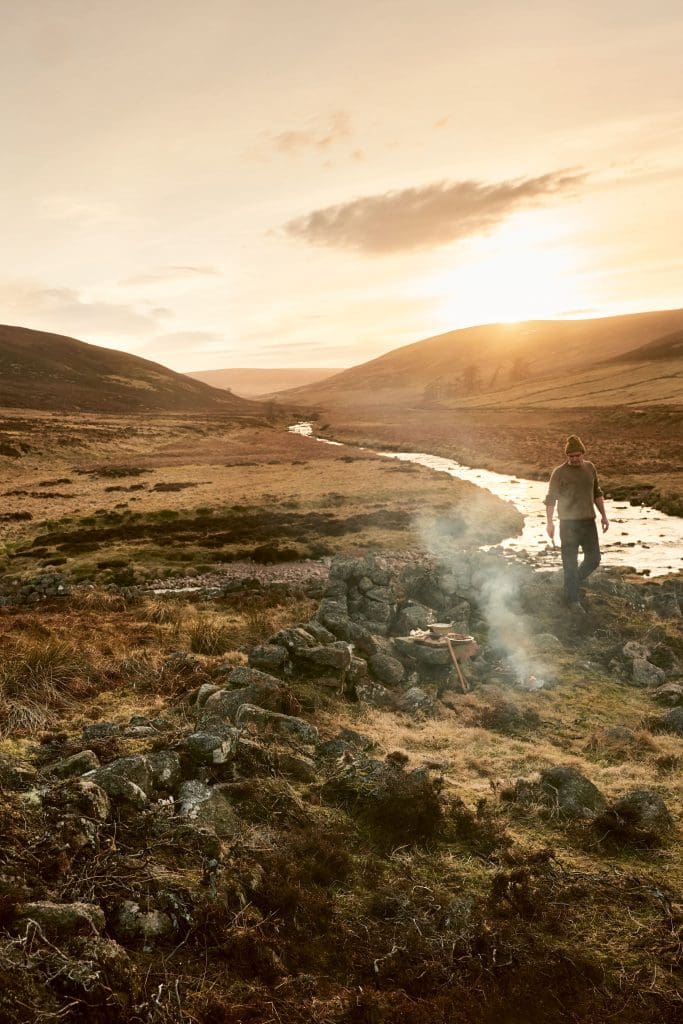
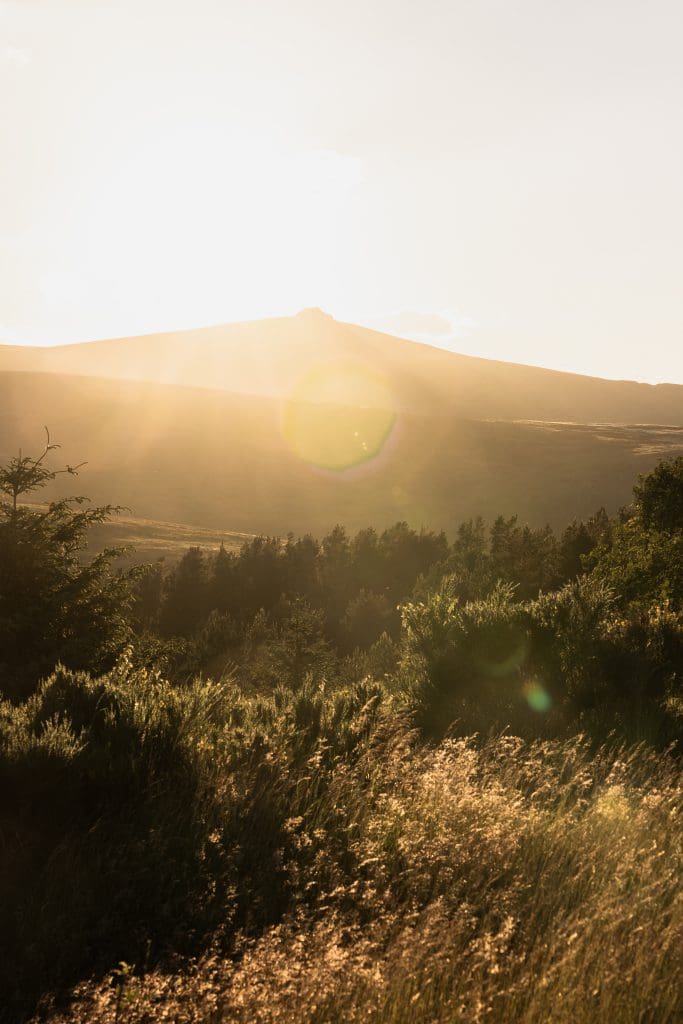
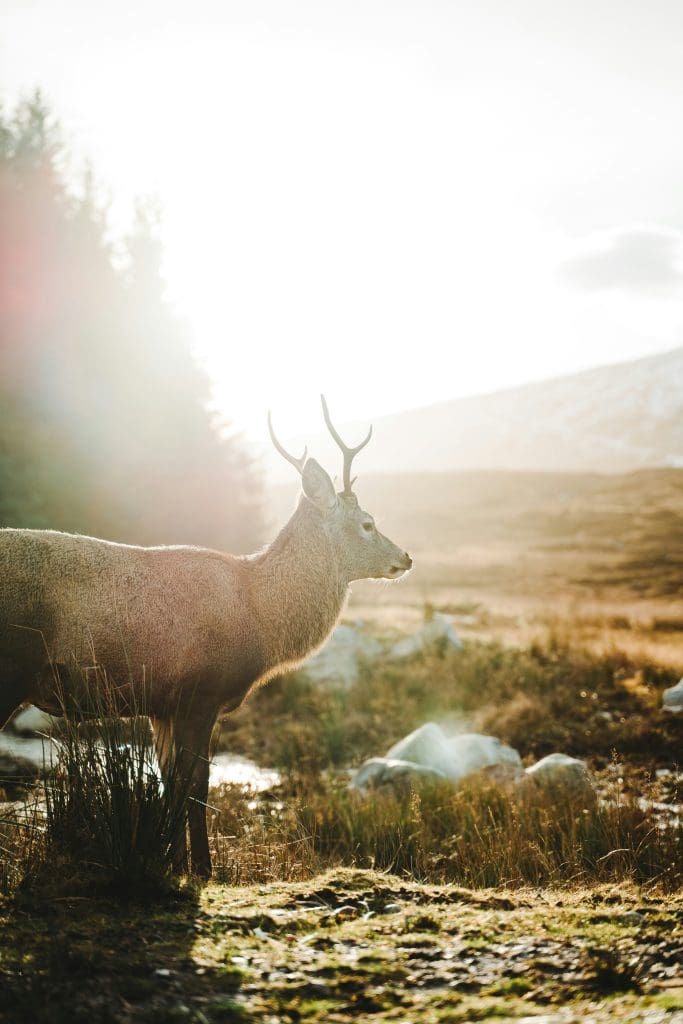
A thriving population of red and roe deer roam freely on the hills and in the forests of Glen Dye, grazing on heather, wild plants and grass. But because they have no natural predators, these populations need to be managed to ensure they remain healthy and are kept in balance with their habitat.
This makes venison one of the most sustainable meats available in Britain. Not only is it delicious, but it is also incredibly healthy: it’s naturally low in fat and high in iron, potassium, zinc, and vitamins B6 and B12.
By buying local venison, you are also ensuring the lowest possible carbon footprint.
If you’ve never cooked venison, the thing to remember is that because it is very low in natural fat, it can become dry if it is overcooked. Use it instead of beef in bolognese, in casseroles, in chilli or in a cottage pie. Whatever you make, you can rest assured it will be delicious.
Wild Venison Madras
A rich, fragrant and warming curry that has a depth a flavour without too much heat. There are lots of pre-made Madras pastes out there, or you could make your own.
Ingredients
- 1.5kg diced Glen Dye wild venison For the marinade
- 4 garlic cloves (squashed with a pinch of salt)
- thumb sized piece of ginger (grated)
- 100ml yoghurt
- 1 tbsp sweet smoked paprika
- 60g tomato purée For the sauce
- 100g butter
- 5 brown onions (peeled and chopped)
- 4 garlic cloves (squashed with a pinch of salt)
- 6 tbsp Madras spice paste
- 600ml stock
- 400g can chopped tomatoes
- 10 dried curry leaves
- 100g creamed coconut in a block serve with
- rice, sliced green chilli and natural yogurt
Equipment
- Ovenproof casserole dish
- Greaseproof paper cartouche
Directions
- First make the marinade. Mix all the marinade ingredients with a pinch of salt in a bowl, add the venison and stir to coat. Cover and place in the fridge overnight.
- The next day, heat the oven to 220˚C. Spread the venison out on a baking tray and roast for 30-35 minutes, stirring halfway through if necessary, until the meat has lots of colour. If the meat is releasing too many juices, spoon some of them off halfway through the cooking. Remove and set to one side. Reduce the oven to 170˚C.
- While the venison is cooking, heat the butter in a large casserole dish and fry the onions for 15 minutes over a medium heat until soft and sweet. Add the garlic and cook for a few more minutes, until sweet and translucent. Stir in the spice paste and fry for 5 minutes, then add the stock, tomatoes and curry leaves and crumble in the creamed coconut
- Bring to the boil, add the venison and stir to coat in the curry sauce. Season with salt, then cover with a cartouche of greaseproof paper, put on the lid and cook in the oven for 2 – 2 ½ hours until the sauce has thickened and the meat is tender.
- Serve with fluffy rice, a dollop of yogurt and some sliced green chilli.
- (You can keep the curry in the fridge for three days, but make sure you heat it through properly before serving. Or you can freeze it for up to three months.)
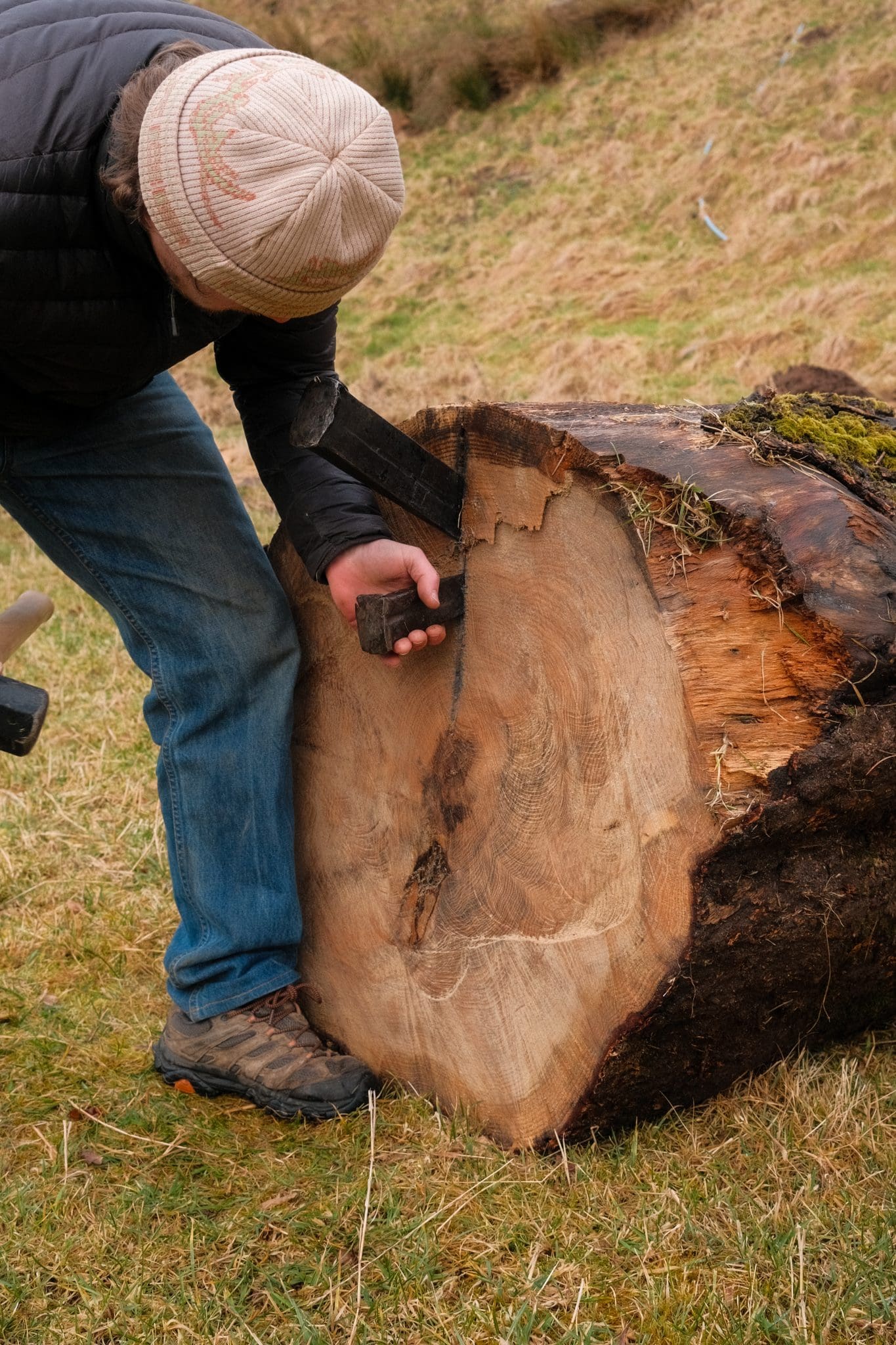 Bryn Morgan-Hughes shares his experience as Artist/Maker in Residence at Glen Dye
Bryn Morgan-Hughes shares his experience as Artist/Maker in Residence at Glen Dye from February 2025.
 On my culture radar this month for April
What’s new on the cultural radar for April 2025. Written by Charlie Gladstone. Including books, audio and music.